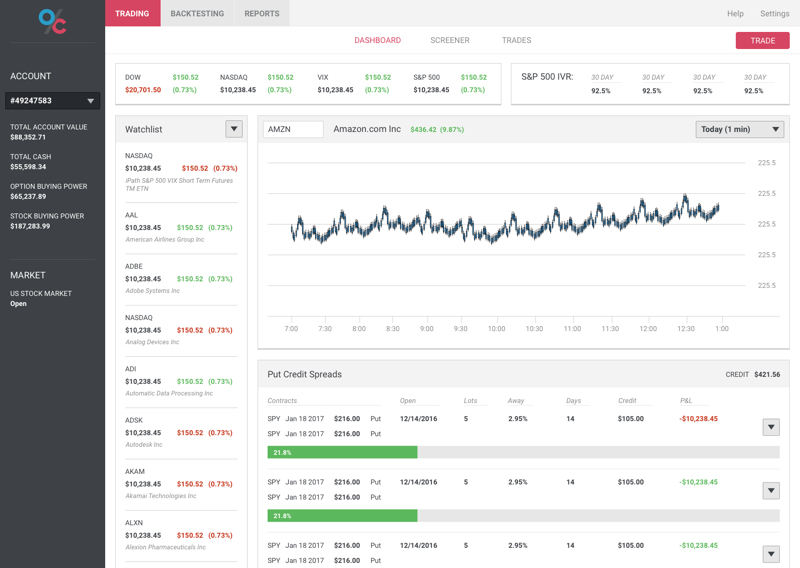
Find your next wheel strategy trade in seconds with our free options screener. Filter by DTE, premium, delta, and more.
Education
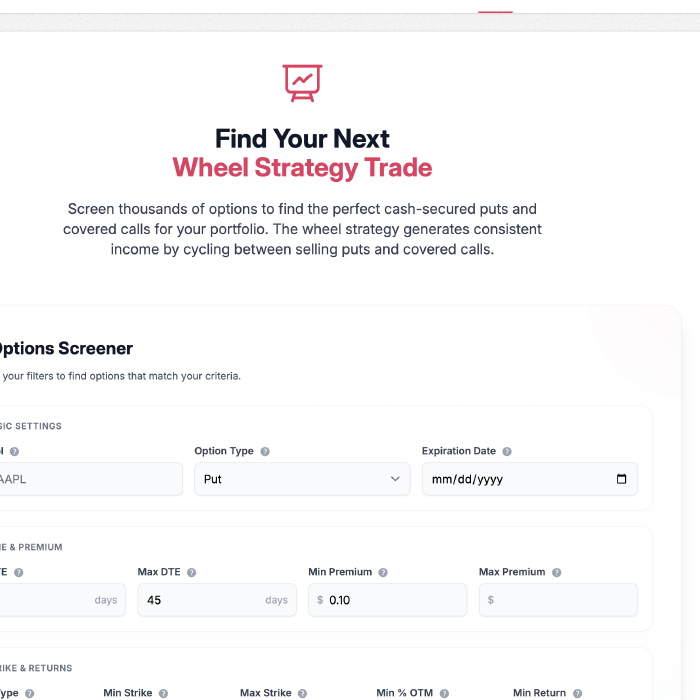
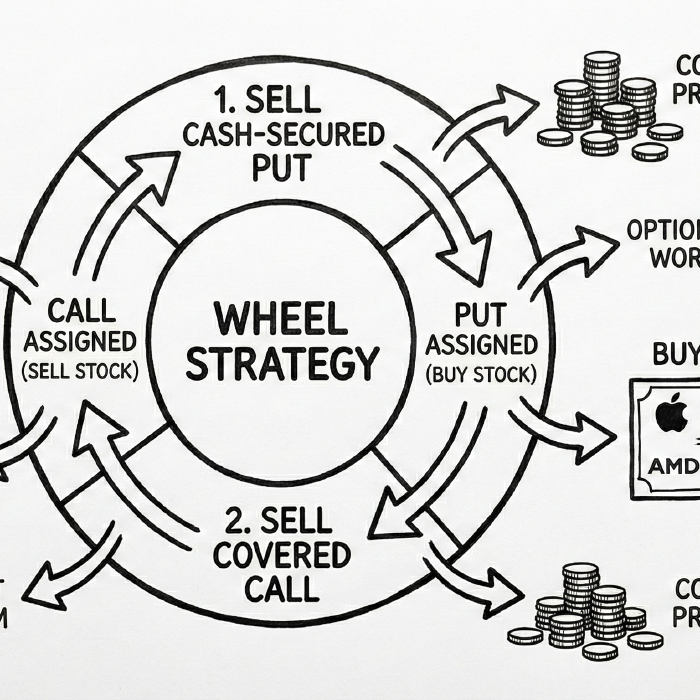 I explain how to pick the best stocks for the wheel strategy, since stock selection matters more than execution for generating consistent premium income.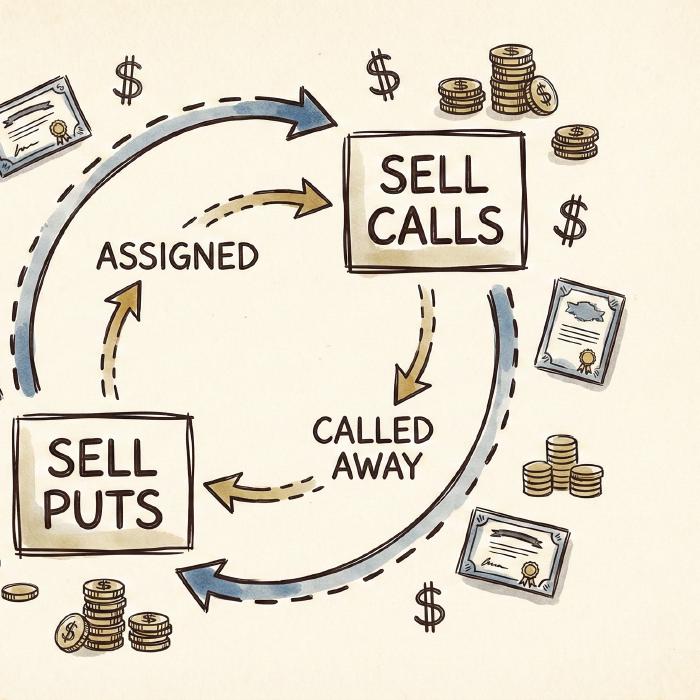
The wheel options strategy is one of the most reliable income-generating approaches for options traders. Since 2024, I have generated over $27,000 in profit using this strategy—and I share every trade publicly.
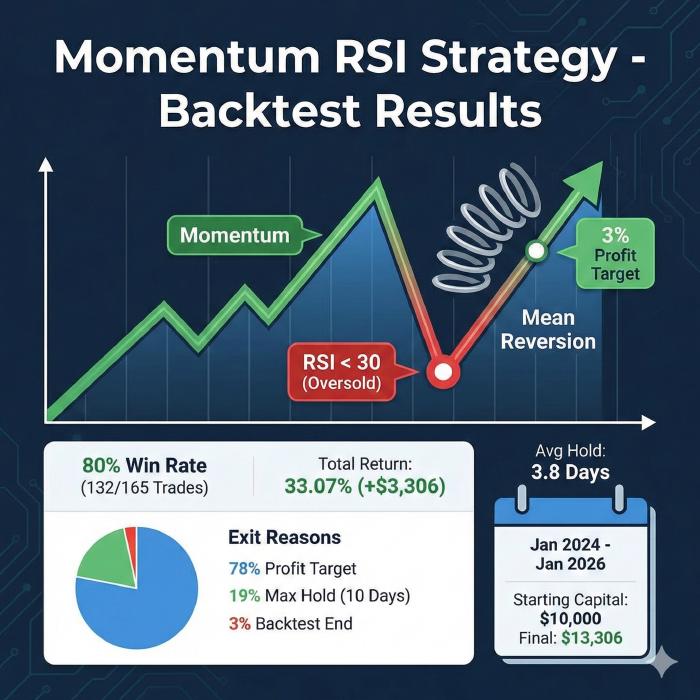 I backtested a Momentum RSI strategy with a VIX Rank filter: 91 trades, 81.3% win rate, 2.52 profit factor, and 32% lower drawdown, with the full trade log inside.
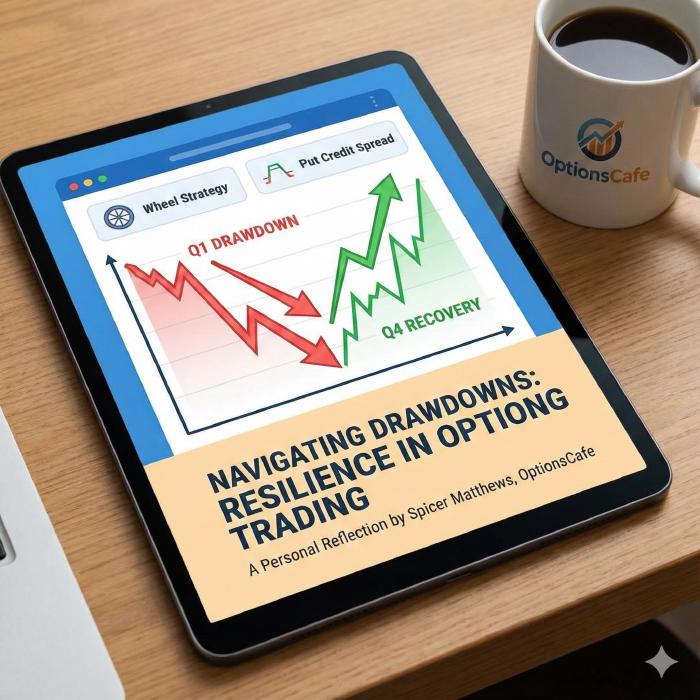 2025 started with one of the worst options trading drawdowns of my career, and here is what those losses taught me about discipline and staying in the game.
Day trading options can be a lucrative venture for traders who understand the intricacies of the options market. Unlike the typical buy-and-hold strategy, day trading involves quick decision-making and strategic planning to capitalize on short-term movements in the market.
 SPX vs SPY: I break down the key differences between the non-tradable index and the tradable ETF to help you pick the best vehicle for your strategy.
 The short collar strategy lets you take a bearish bet on a stock while protecting against upside risk, and it can even earn a little income at the outset.
 A complete guide to the bull put credit spread, a risk-defined strategy that profits from a rising stock, time decay, and falling implied volatility.
 I explain what IV crush is, why implied volatility collapses after earnings, and how to avoid it or even profit from it by selling options.