Have you ever entered an options position and had difficulty understanding how the price fluctuates? Perhaps you were confused by the amount of profit or loss caused by stock movement relative to your position? If this has ever happened to you, you could learn more about delta, and how long delta strategies fits into your trading strategy.
Education
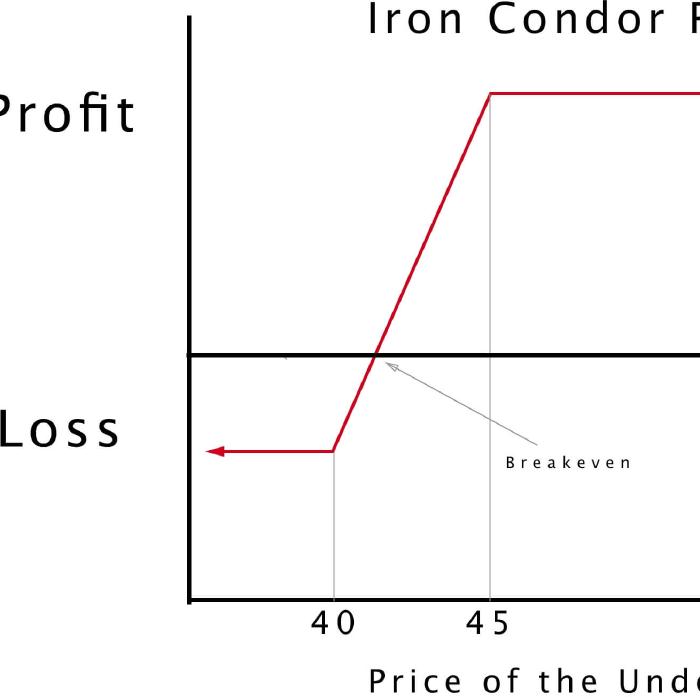
The Iron Condor is a very useful options trading strategy. While considered "advanced" by many, once you get a good handle on the iron condor, traders at any level can use it. This options trading strategy is especially useful for profiting off of stable markets that are experiencing sideways price movements. Next up ........Iron Condor Explained.
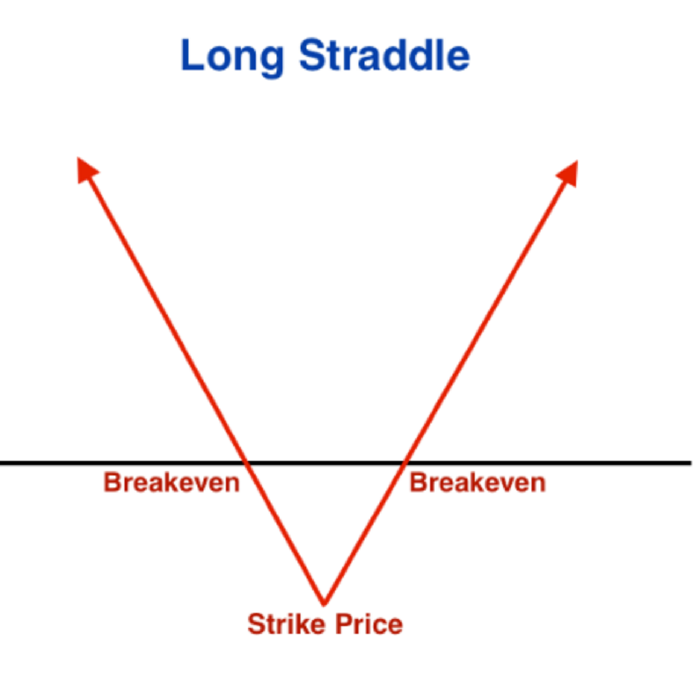
Although volatility is often spoken of in the financial press as undesirable, long straddles are one case where you can profit from it. If you foresee major price swings in the near future. Time to learn about long straddles.

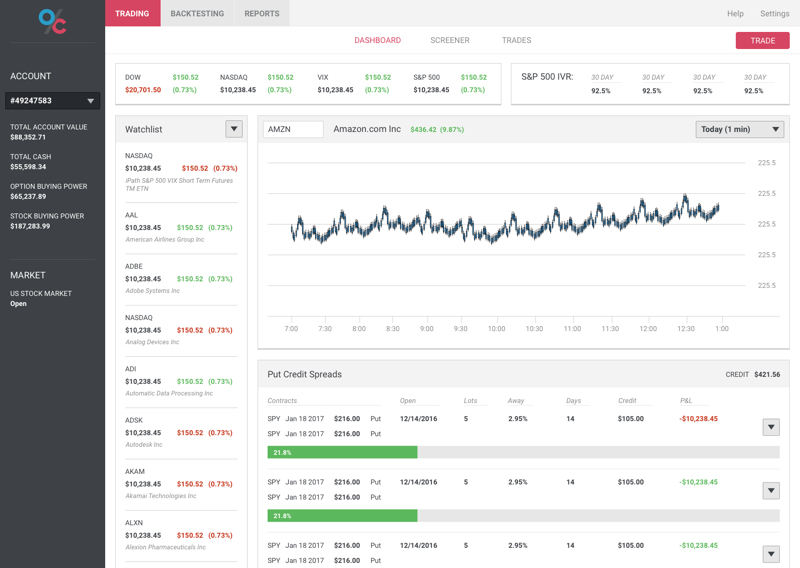
The catch is if your strategy is not well planned or implemented with discipline. Meaning that what makes the 3 factors so definitive when trading credit spreads is implementing a brilliant strategy with fidelity.
 A put credit spread (also called a bull put spread) is an options strategy where you sell a put option and simultaneously buy a lower-strike put option, collecting a net credit. It's one of the most popular income-generating strategies because it profits when the underlying stock stays flat or goes up—and you get paid upfront. In this guide, I'll explain put credit spreads using a simple insurance analogy, walk through real examples with actual numbers, and show you when and why traders use this strategy.
 A put option is a contract that gives you the right, but not the obligation, to sell an asset at a specific price within a set time period. Put options are one of the two basic types of options—the opposite of call options—and understanding them is essential for anyone looking to trade options or protect their portfolio. In this guide, I'll explain put options using a simple real-world analogy, then show you how they work with actual stock examples.
 A call option is a contract that gives you the right, but not the obligation, to buy an asset at a specific price within a set time period. Call options are one of the two basic types of options (the other being put options), and understanding them is essential for anyone looking to trade options. In this guide, I'll explain call options using a simple real-world analogy, then show you how they work with actual stock examples.
Wall Street is the domain of traders and investors. Typically we envision traders sitting in front of rows of monitors looking to make a quick buck by continually getting into and out of financial positions. In contrast, investors are the Warren Buffett types who buy and hold stocks for long periods of time.