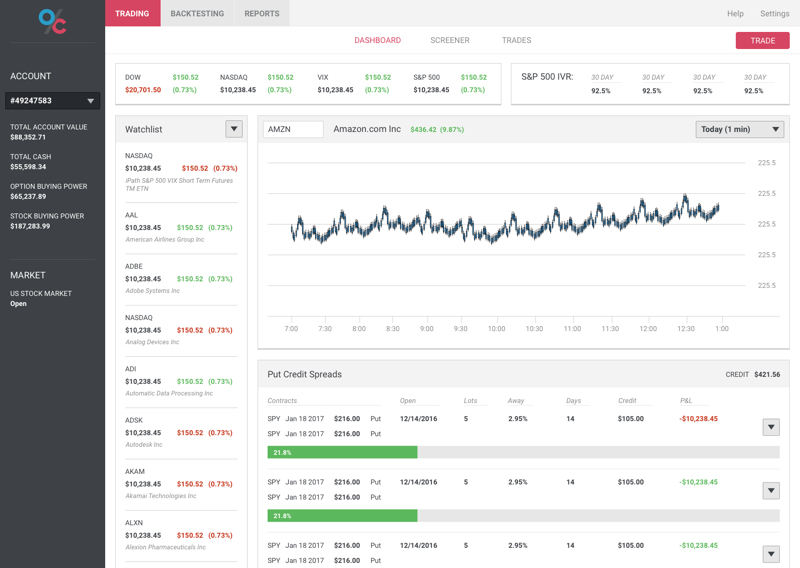
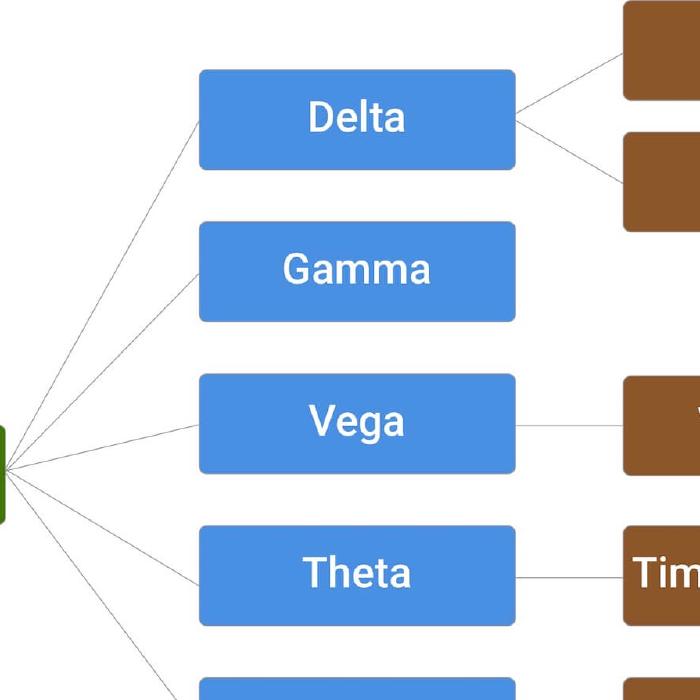
Most traders realize that options increase or decrease in value as the underlying stock moves up or down in price. But, there’s a lot more to how an option’s price changes over the course of time before expiration. A better understanding of option greeks will go a long way to improving the success of your trades.
Education
 I explain how professional traders actively manage delta during a trade, adjusting and hedging positions to limit losses and protect a credit spread.
Volatility Trading is a variable in an option pricing model used to determine the theoretical value of an option. And, among all the variables in an option pricing model, it is the only one that is derived from market sentiment. But, the market doesn’t always get it right. That creates opportunity for an options trader.
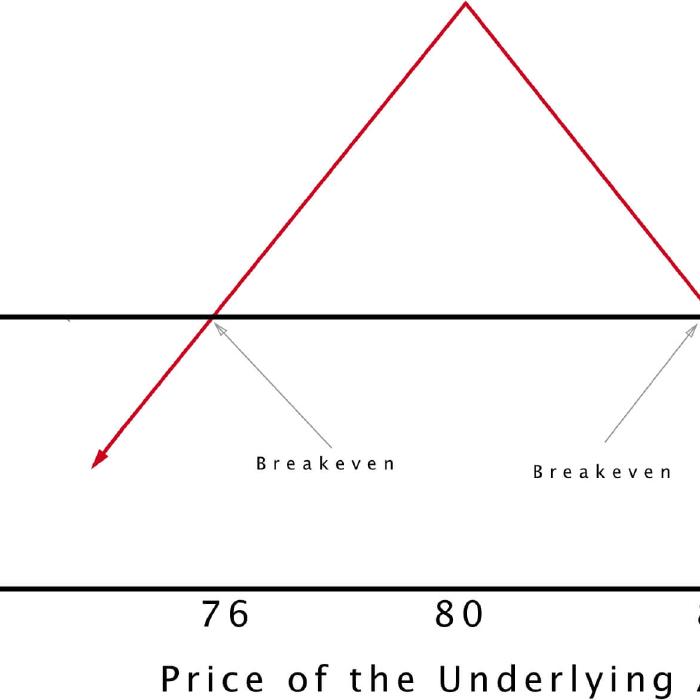 The short straddle can profit when a stock stays stuck in a flat, range-bound zone, but the limited reward and unlimited risk make it one for experienced traders.
 Options come in many flavors, and I break down the main types you can trade: equity, index, commodity, forex, binary, and American vs European options.
Have you ever entered an options position and had difficulty understanding how the price fluctuates? Perhaps you were confused by the amount of profit or loss caused by stock movement relative to your position? If this has ever happened to you, you could learn more about delta, and how long delta strategies fits into your trading strategy.
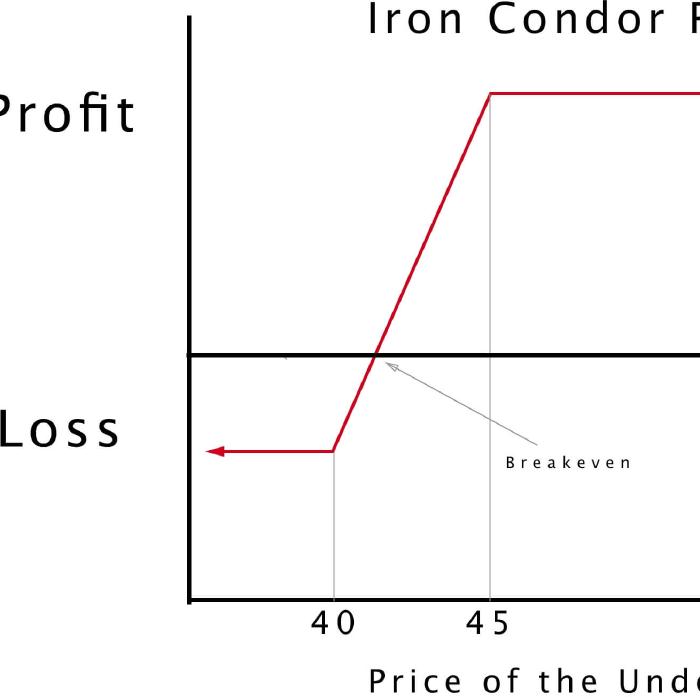
The Iron Condor is a very useful options trading strategy. While considered "advanced" by many, once you get a good handle on the iron condor, traders at any level can use it. This options trading strategy is especially useful for profiting off of stable markets that are experiencing sideways price movements. Next up ........Iron Condor Explained.
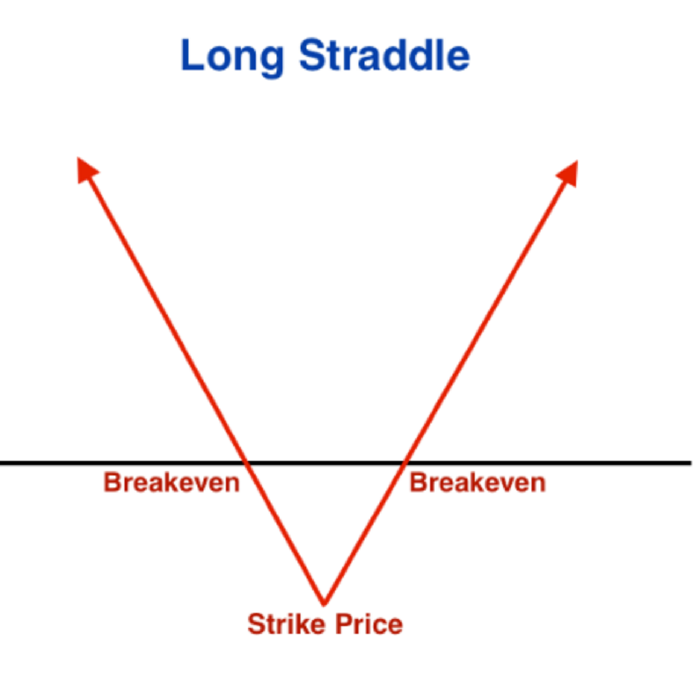
Although volatility is often spoken of in the financial press as undesirable, long straddles are one case where you can profit from it. If you foresee major price swings in the near future. Time to learn about long straddles.

The catch is if your strategy is not well planned or implemented with discipline. Meaning that what makes the 3 factors so definitive when trading credit spreads is implementing a brilliant strategy with fidelity.
 I explain what a put credit spread (bull put spread) is using an insurance analogy and real numbers, plus when to use this income-generating strategy.