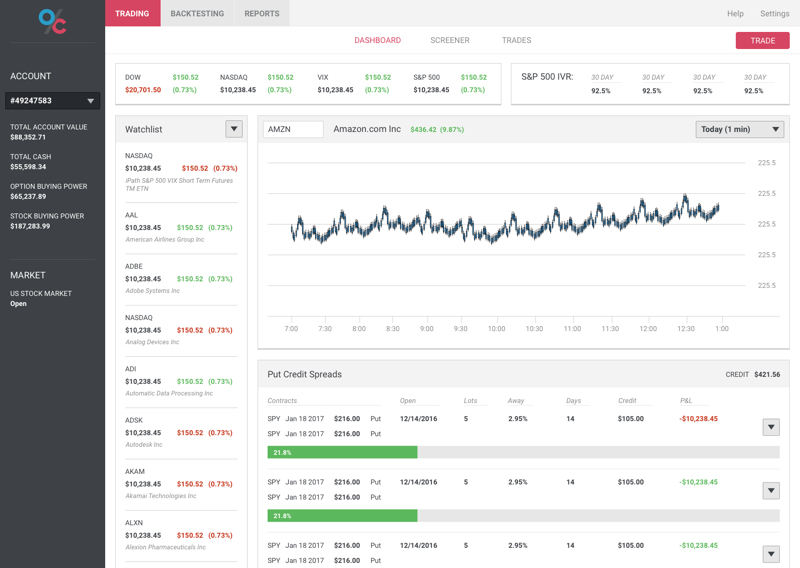
Have you ever entered an options position and had difficulty understanding how the price fluctuates? Perhaps you were confused by the amount of profit or loss caused by stock movement relative to your position? If this has ever happened to you, you could learn more about delta, and how long delta strategies fits into your trading strategy.

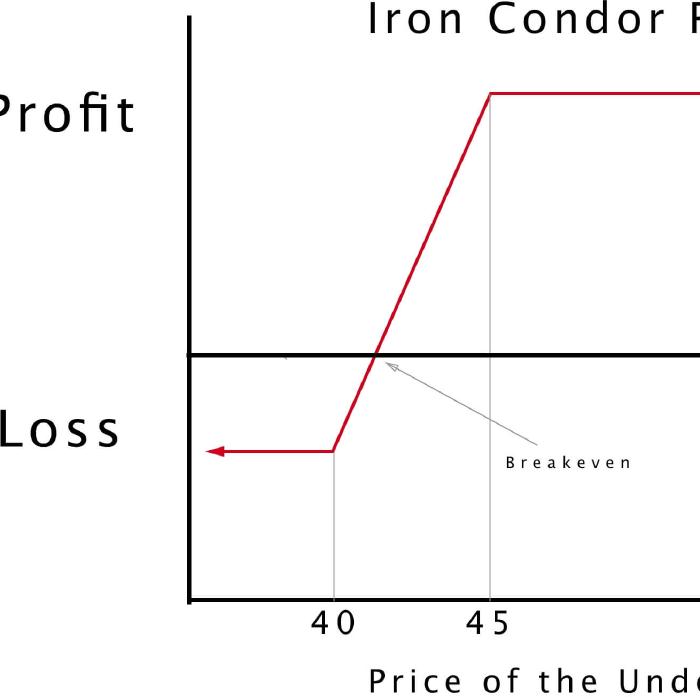
The Iron Condor is a very useful options trading strategy. While considered "advanced" by many, once you get a good handle on the iron condor, traders at any level can use it. This options trading strategy is especially useful for profiting off of stable markets that are experiencing sideways price movements. Next up ........Iron Condor Explained.
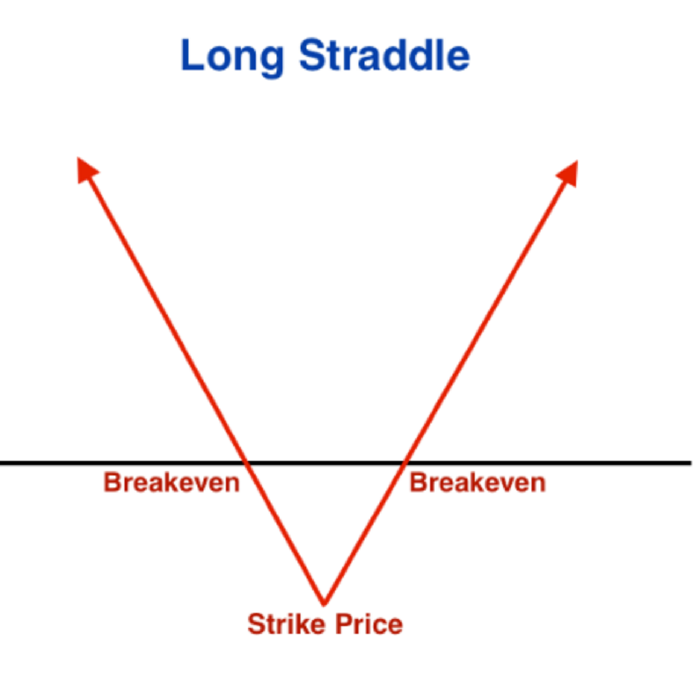
Although volatility is often spoken of in the financial press as undesirable, long straddles are one case where you can profit from it. If you foresee major price swings in the near future. Time to learn about long straddles.
 The Stockpeer blog is now Options Cafe, reflecting my shift from stocks to options and the new options trading software my team has been building.
I like directional trading but for the most part directional options trading is a hobby. There is nothing better than picking a direction, applying a leveraged bet via options or futures, and watching that trade take off. Here I will explain why directional trading is just a hobby.
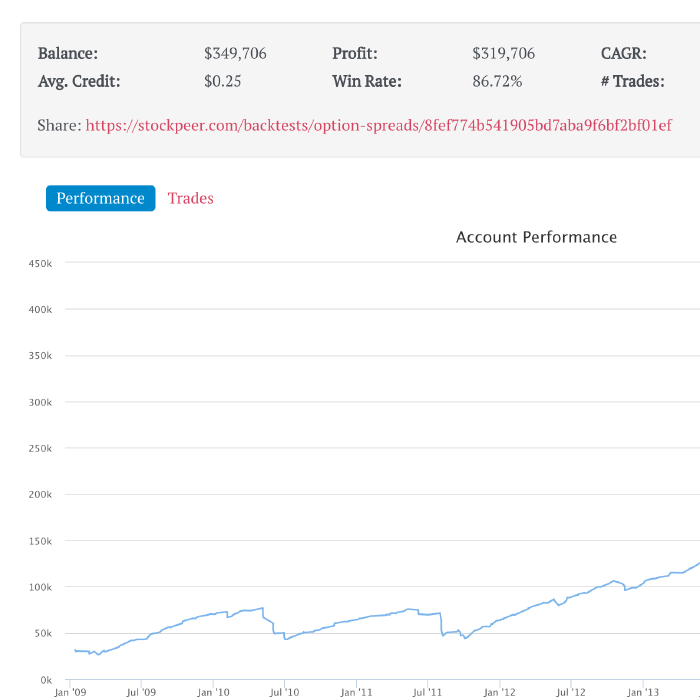
Options Cafe backtester is here. Have you ever wondered how your options trading strategy would perform over time? I have, so I built a backtester. I wanted a way to simulate trading the options market day to day to see how well my strategies would have fared.

When I first started Stockpeer I expected to mostly share my experiences trading the stock market via automation. But I find myself talking less about automation for an important reason: automation can lead to a lack of engagement—aka complacency.

Recently I have been playing around with something new: trading the futures market as a hedge against my options trading strategy. Why hedge a good bet you ask? Though the strategy I rely on the most—trading put credit spreads on a consistent basis.

To start I want to point out 2 things: this idea is not originally mine, and though I talk mostly about trading I think the concept applies to all forms of investing (buy-and-hold, real estate, fixed income, and so on). From time to time I attend a meetup group.
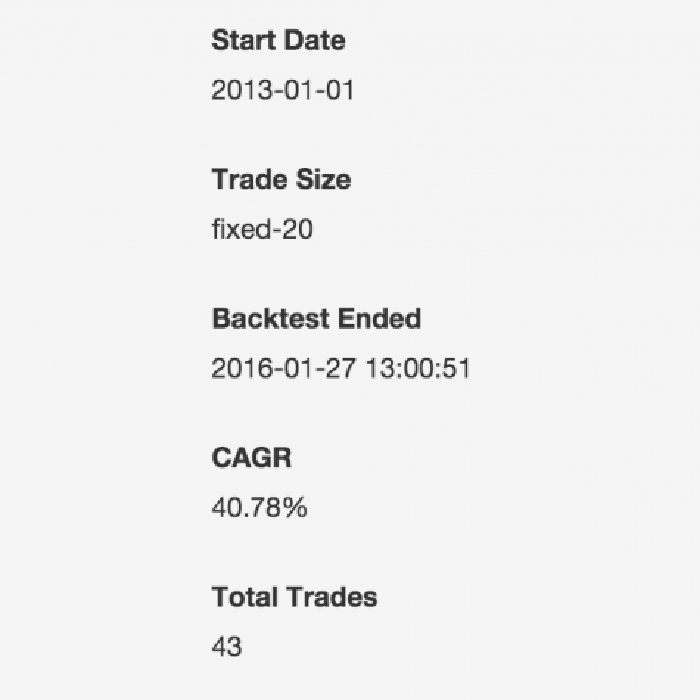
Want day trading returns without the headache of sitting in front of 26 big-ass monitors all day? You’re in luck because today we are going to discuss trading weekly put credit spreads on the SPY. The idea is pretty basic. I sell a put credit spread on the SPY that expires in 7 days.