I’m back from a nearly five-month blogging sabbatical after my second child arrived, and I’m sharing the new investments I’ve been exploring like peer-to-peer lending.

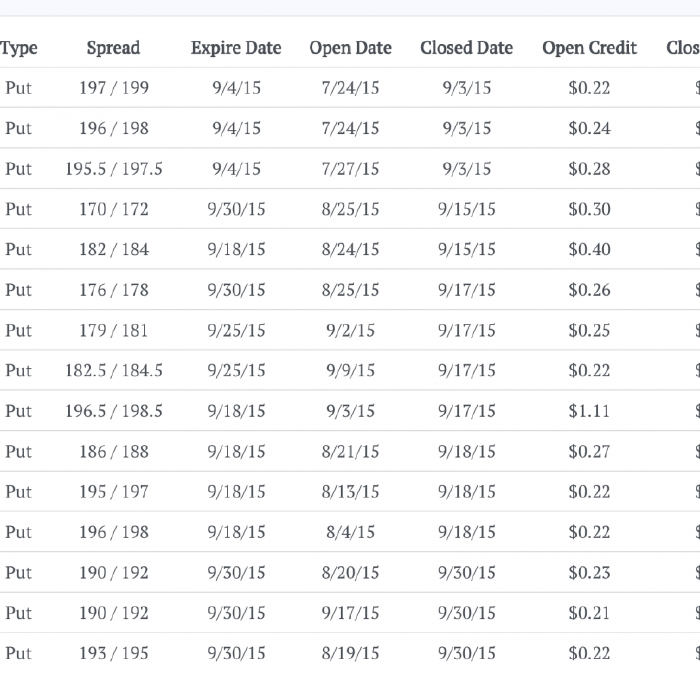
September was a tough month. The market took a major pull back. I lost a fair amount of money. I think if the next 3 months are good I should be able to recoup the losses. Some of the trades were rolled trades (the ones with high credits).
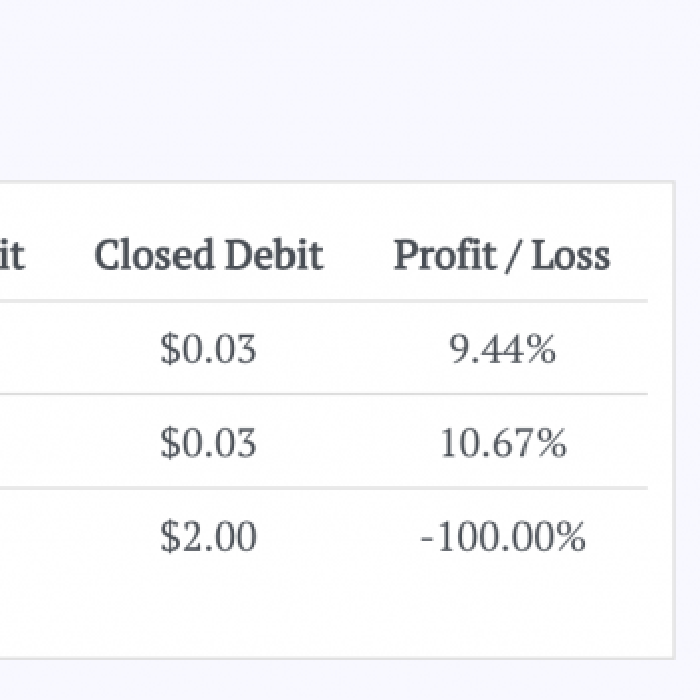
Here we explore the put credit spread trades I placed on the SPY durning the month of August 2015. This is my primary trading strategy for monthly income. By trading put credit spreads on the SPY I am typically in a trade for 23 days but no more than 45 days.
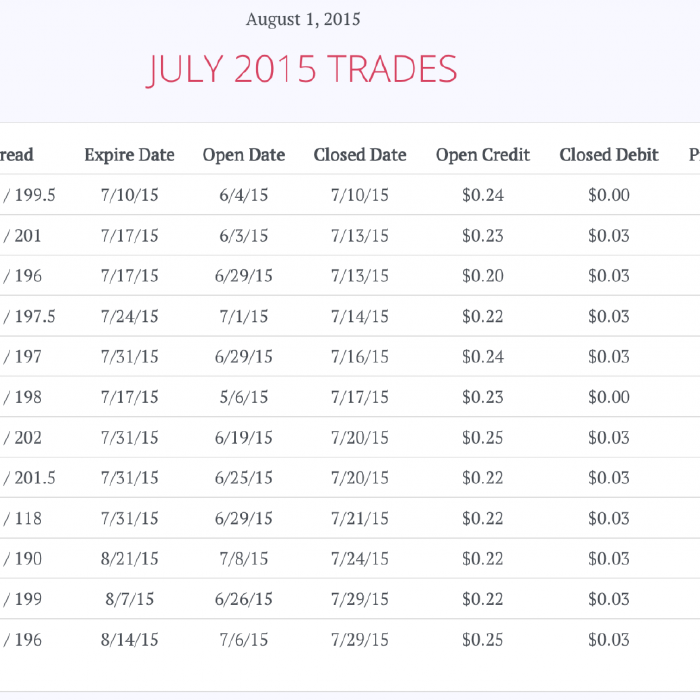
Here we explore the put credit spread trades I placed on the SPY durning the month of July 2015. This is my primary trading strategy for monthly income. By trading put credit spreads on the SPY I am typically in a trade for 23 days but no more than 45 days.
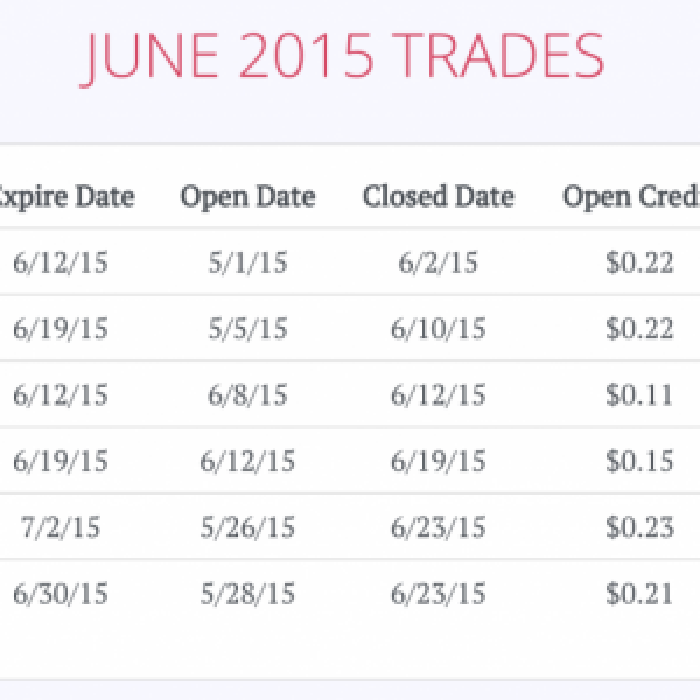
Here we explore the put credit spread trades I placed on the SPY durning the month of June 2015. This is my primary trading strategy for monthly income. By trading put credit spreads on the SPY I am typically in a trade for 23 days but no more than 45 days.
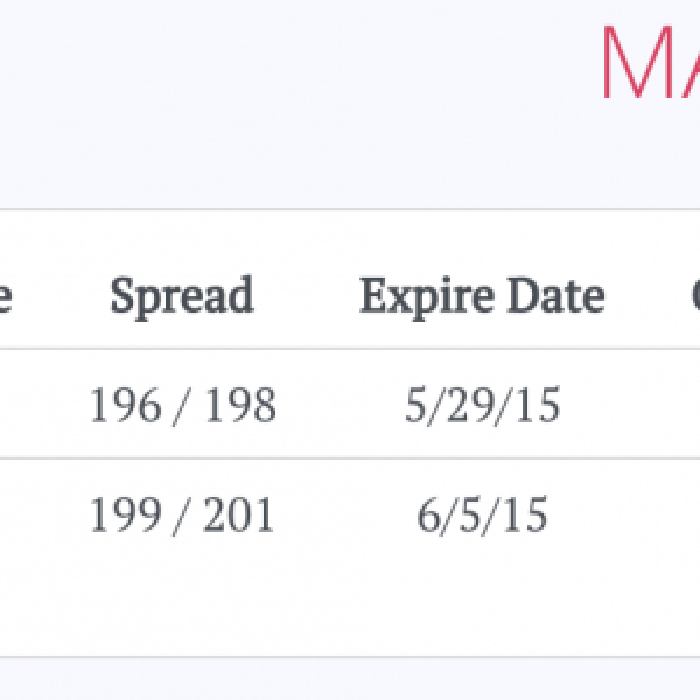
Here we explore the put credit spread trades I placed on the SPY durning the month of May 2015. This is my primary trading strategy for monthly income. By trading put credit spreads on the SPY I am typically in a trade for 23 days but no more than 45 days.
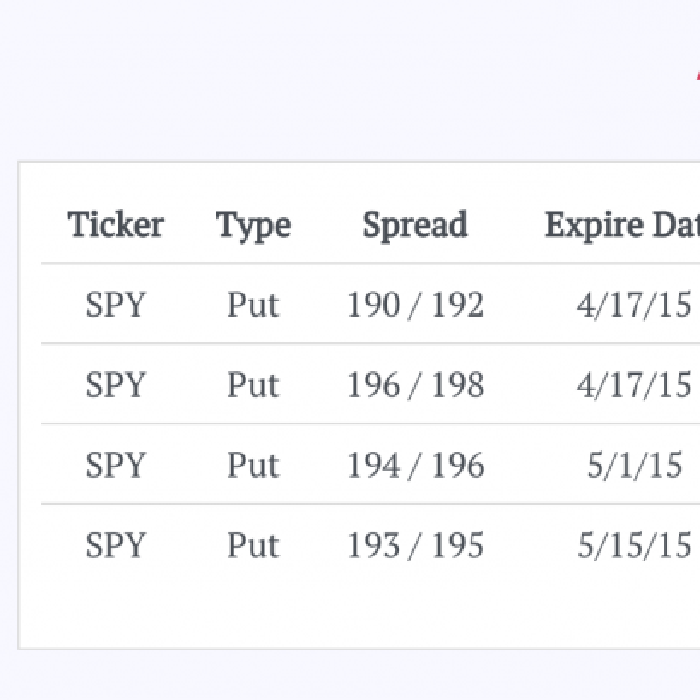
Here we explore the put credit spread trades I placed on the SPY durning the month of April 2015. This is my primary trading strategy for monthly income. By trading put credit spreads on the SPY I am typically in a trade for 23 days but no more than 45 days.

Warren Buffett often says that he tap dances to work. He has found a method of trading that gets him high. I, however, would be bored to tears if I invested the way Buffett invests: I need more action, which is why I like to trade credit spreads and day trade the SPY.
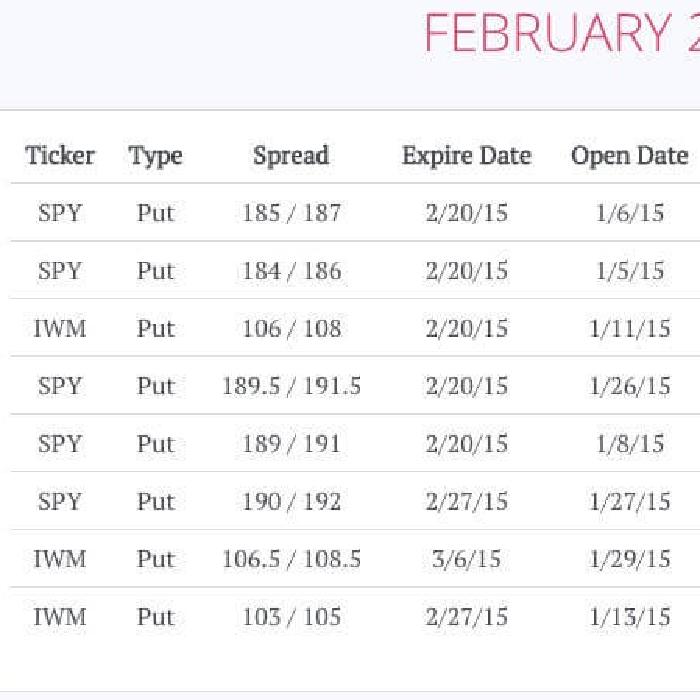
Here we explore the put credit spread trades I placed on the SPY durning the month of March 2015. This is my primary trading strategy for monthly income. By trading put credit spreads on the SPY I am typically in a trade for 23 days but no more than 45 days.
 I backtest three position sizing methods for SPY put credit spreads to show how much to risk per trade for sustainable, compounding options income.