A beginner’s guide to call options that uses a simple tractor analogy and real stock examples to explain strike price, premium, expiration, and the risks.


The difference between success, failure, and mediocrity on Wall Street is your ability to pick a smart trading or investing strategy and stick to it. Jumping into the market without first carefully defining your strategy is akin to driving a car with a blindfold on—and, likewise, you will crash at some point.

Wall Street is the domain of traders and investors. Typically we envision traders sitting in front of rows of monitors looking to make a quick buck by continually getting into and out of financial positions. In contrast, investors are the Warren Buffett types who buy and hold stocks for long periods of time.
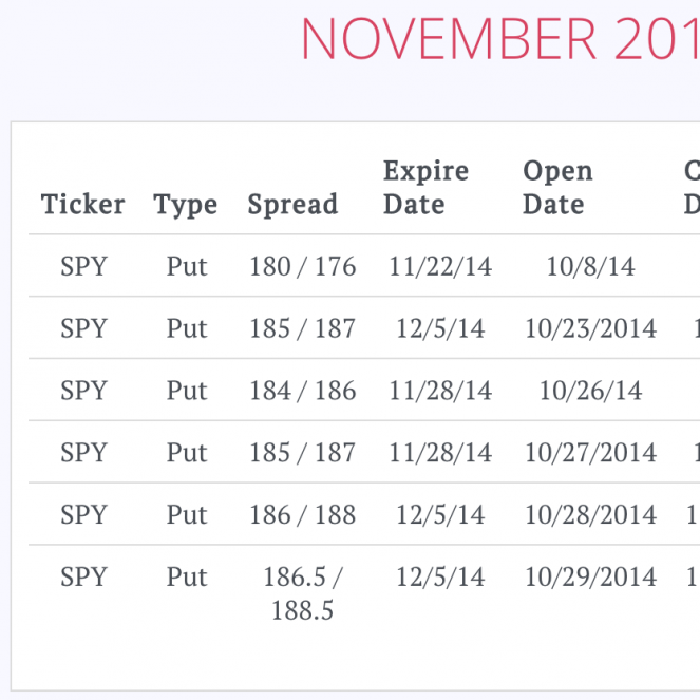
Here we explore the put credit spread trades I placed on the SPY durning the month of November 2014. This is my primary trading strategy for monthly income. By trading put credit spreads on the SPY I am typically in a trade for 23 days but no more than 45 days.
 I explain why a consistent trading strategy is the only free lunch in trading, and how backtesting and discipline build the confidence to stick with it.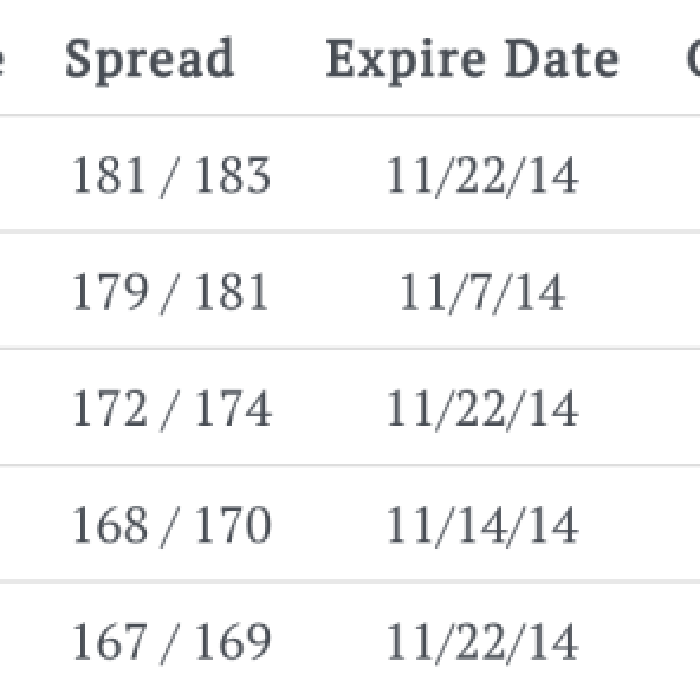
Below you will find all of the trades I closed out in October 2014. I plan to post a summary of my complete (not cherry picked) credit spread portfolio each month, and in the future I will share trades as I make them.

Welcome to the inaugural blog post of Stockpeer.com. To find out more about me, Spicer, take a detour and check out the About page. To learn more about Stockpeer, read on.