If you sell options for income long enough, a position will eventually move against you. A stock you sold a put on drops hard. A covered call you sold gets blown through to the upside. When that happens, you have a decision to make—and "rolling" the option is one of your best tools. The problem is that almost nobody explains rolling options clearly, and the bad advice out there can cost you thousands.
I've made 219 documented wheel trades across 34 different stocks, generating over $33,000 in real profits—and every one of those trades, wins and losses alike, is documented out in the open. Rolling is a core part of how I manage those positions. Some of my rolls saved trades that looked dead. Others were mistakes where I should have just taken the loss. In this guide I'll explain exactly what rolling means, the three types of rolls, my hard rules for when to roll, and real trades—including the ones that didn't work.
What Does "Rolling an Option" Actually Mean?
Rolling an option is nothing more than two trades done at once: you buy back the option you currently have open, and you sell a new one with a different strike price, a different expiration date, or both. Most brokers let you do this as a single "roll" order so you don't have to leg into it manually.
Here's a simple example. Say I sold a cash secured put on a stock with a $20 strike expiring this Friday, and the stock has dropped to $18. If I do nothing, I'll likely get assigned 100 shares at $20. Instead, I can roll: buy back that $20 put, and sell a new put further out in time (say 30 days later), often at the same $20 strike or a lower one. The goal is to collect enough new premium to do this for a net credit—meaning I get paid to extend the trade rather than paying to escape it.
That credit matters. Every dollar of premium I collect lowers my effective cost basis and improves my breakeven. Do this a few times on the right stock and a "losing" position quietly turns into a winner. Do it on the wrong stock and you're just feeding a falling knife.
The Three Types of Rolls
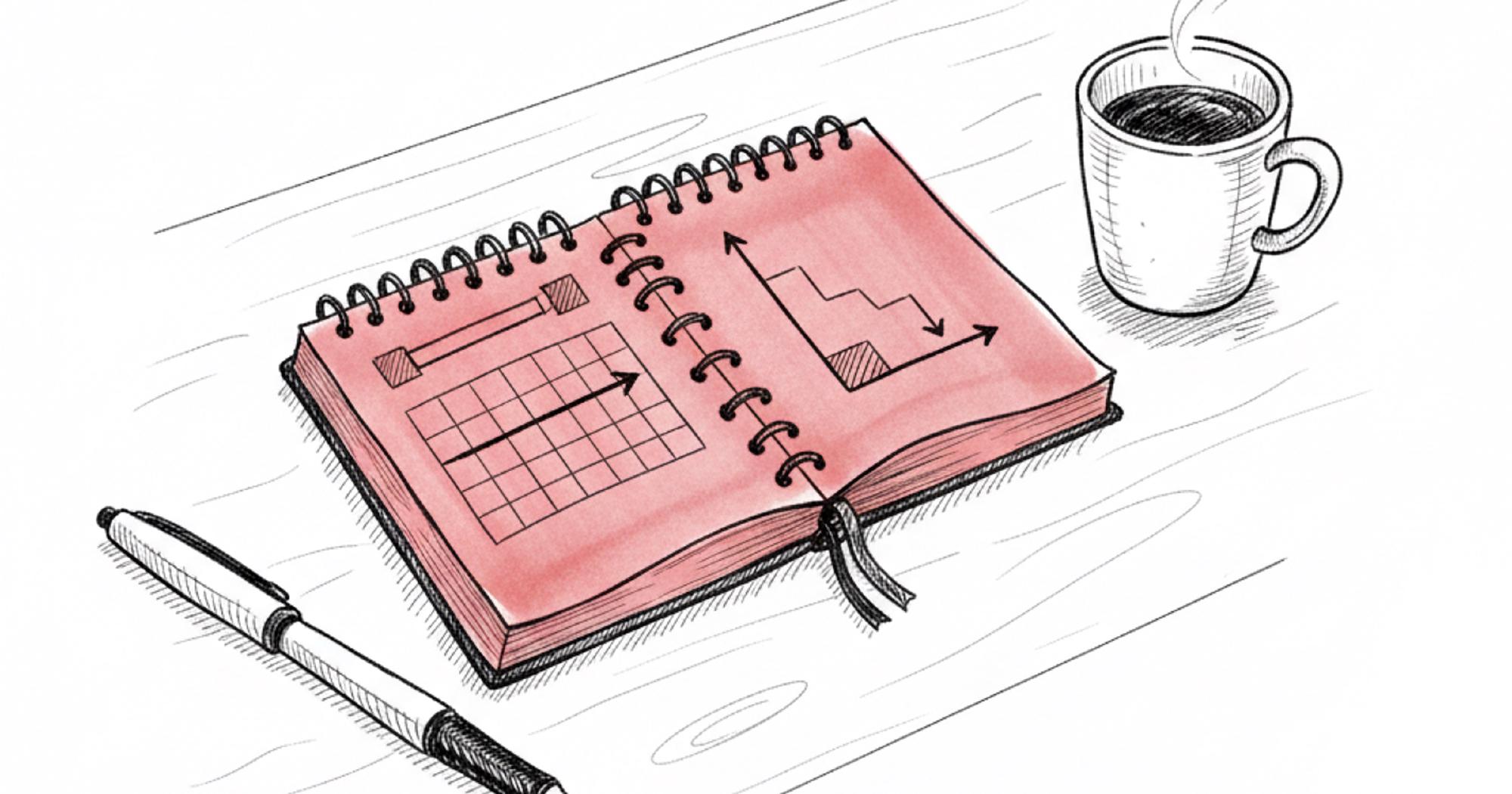
Almost every roll you'll ever make is one of three variations. Understanding which one to use—and when—is half the battle.
1. Roll Out (Buy More Time)
Rolling "out" means keeping the same strike price but moving to a later expiration. This is the most common roll for the wheel strategy. You use it when you still believe in the stock and just need more time for it to recover above your strike. Because longer-dated options carry more premium, rolling out almost always generates a credit.
2. Roll Down (or Up) — Adjust the Strike
Rolling "down" means moving to a lower strike on a put you sold (or rolling "up" to a higher strike on a covered call you sold). You'd roll a put down when a stock has fallen further than expected and you want to give yourself more breathing room before assignment. The trade-off: lowering the strike usually reduces or eliminates your credit, and sometimes forces a debit. That's a red flag for me, which I'll explain in my rules below.
3. Roll Out-and-Down (the Workhorse)
This combines both moves: you go to a later expiration and a lower strike. The extra time you're buying generates enough premium to offset the lower strike, so you can still collect a net credit while improving your position. This is the roll I reach for most often when a put has gone underwater. The later date pays for the better strike, and I get paid to wait. When people talk about rolling options "for a credit," this is usually the trade they mean.
My 4 Rules for Rolling Options
Rolling sounds great in theory—who wouldn't want to magically avoid losses? But undisciplined rolling is how traders blow up small accounts. After years of doing this with real money, these are the four rules I never break.
| Rule | Why It Matters |
|---|---|
| 1. Never roll for a debit | If I have to pay to roll, I'm paying to stay in a losing trade. A roll should always be a net credit. No credit available? That's the market telling me to take the loss. |
| 2. Maximum of 2 rolls | After two rolls, if the trade still isn't working, the thesis is broken. I take assignment or close it. Endless rolling just hides a bad decision. |
| 3. Roll early, not late | I roll around 21 days to expiration or when the option hits ~2x my entry credit—not at the last second. Rolling early means more time value to work with and a cleaner credit. |
| 4. Only roll if the thesis is intact | Rolling is for stocks I still want to own. If the reason I entered the trade is gone—bad earnings, broken chart, changed story—I don't roll. I take the loss and move on. |
A Real DKNG Roll That Worked
Let me show you exactly how this plays out with real money. DraftKings (DKNG) is a stock I've traded 6 times in my wheel, and it's a textbook example of rolling done right—and the discipline to take a loss when needed.
In January 2026, my DKNG position went against me. The stock dropped and the trade closed out for a loss of $1,028.24. That's a real, documented loss—I publish it right alongside the winners. But here's the part most traders miss: taking that loss wasn't a failure. It freed up my capital and reset my position on a stock I still believed in.
The very next month, February 2026, I came right back into DKNG. The stock had stabilized, my thesis was intact, and I sold fresh premium with the time value working in my favor. That batch of DKNG trades brought in $1,234.76 across 2 trades—more than erasing the January loss and putting the position net positive.
Across all 6 DKNG trades, my net result is a documented +$685.52 profit. The lesson isn't that rolling saved every dollar—it's that knowing when to roll, when to take the loss, and when to re-enter is what turned a scary drawdown into a winning position. Rolling buys time; discipline decides whether that time is worth buying.
When Rolling Saves You vs. When It's Throwing Good Money After Bad
This is the question that actually matters. Rolling isn't inherently good or bad—it's a tool, and like any tool it can help or hurt depending on how you use it. Here's how I decide.
Rolling SAVES you when:
- The stock dropped on broad market weakness, not company-specific bad news
- You can roll for a clean net credit that improves your breakeven
- You still want to own the stock at the strike price you're defending
- You're early in the cycle (this is your first or second roll, not your fifth)
- The premium is rich because volatility is elevated—you're getting paid well to wait
Rolling is throwing good money after bad when:
- The company's story has fundamentally changed (bad earnings, lost guidance, broken business)
- You can only roll for a debit, or for a credit so small it's not worth the added time risk
- You're rolling purely to avoid realizing a loss on your statement
- You've already rolled twice and you're rationalizing a third
- The position has grown so large relative to your account that you can't think clearly about it
The honest truth: most blown-up options accounts didn't die from one big loss. They died from a trader rolling a losing position five, six, seven times—each roll adding risk—until one bad week wiped out months of gains. Taking a small loss early is almost always cheaper than defending a bad trade to the death. I learned this the hard way during my 2025 drawdown.
3 Rolls That Worked and 2 That Didn't
Theory is cheap. Here's a transparent look at how rolling has actually played out across real positions in my portfolio—the wins and the losses, because both teach you something.
| Stock | What Happened | Net Result |
|---|---|---|
| DKNG | Took a January loss, stayed disciplined, re-entered in February with fresh premium when the thesis held. | +$685.52 |
| HOOD | Rolled puts out and down through volatility on a stock I wanted to own, collecting credit each time. | +$3,979.52 |
| HIMS | Patient rolling and re-selling premium across 18 trades on a stock with rich volatility. | +$3,984.12 |
| INTC | The story weakened and the position never recovered. Defending it longer would have cost more—I closed it. | −$555.72 |
| SOFI | Choppy action across 8 trades; rolling kept me alive but barely—a reminder that not every roll is a winner. | +$22.72 |
The INTC trade is the one I want you to study. I took a $555 loss because the thesis broke. Could I have rolled it endlessly hoping for a bounce? Sure. But that's exactly how a $555 loss becomes a $2,000 loss. Rule #4—only roll if the thesis is intact—saved me from a much bigger hole. The SOFI result is the other lesson: rolling kept me from a loss, but a near-breakeven outcome on 8 trades tells me my capital would have been better deployed elsewhere.
Rolling Cash Secured Puts vs. Rolling Covered Calls
The wheel strategy has two sides, and you'll roll on both of them—but for opposite reasons. Understanding the difference keeps you from making the classic mistake of rolling a covered call the same way you'd roll a put.
Rolling a Cash Secured Put (Stock Dropped Against You)
You roll a cash secured put when the stock has fallen below your strike and assignment is looming. You're trying to avoid getting assigned at a price that's now too high, or to lower your eventual cost basis. The standard move is to roll out-and-down: later expiration, lower strike, net credit. Each credit you collect chips away at your breakeven. If the stock recovers, you keep all that premium. If it keeps falling and you've hit your two-roll limit, you accept assignment and move into the covered call phase of the wheel—which isn't a failure, it's the plan.
Rolling a Covered Call (Stock Rallied Past You)
Rolling a covered call is the mirror image. Here your problem is a good one—the stock rallied above your call strike and your shares are about to get called away, capping your upside. You roll the call up-and-out: a higher strike and a later expiration, ideally still for a credit. This lets you keep your shares and participate in more of the rally while collecting additional premium.
The critical difference: with a covered call, I'm far more willing to simply let the shares get called away than to chase a roll. If my stock rallies past my strike, that's a winning trade—I sold the shares at a price I was happy with and kept the premium. Rolling a covered call up-and-out for a tiny credit just to "keep" a stock often isn't worth it. Don't let the fear of missing upside trap you into a debit roll on a position that already made you money.
In both cases, my four rules still apply. The credit test, the two-roll cap, rolling early, and respecting the thesis don't change just because you're on the call side instead of the put side.
How to Roll Options on Your Broker
The mechanics of rolling are similar everywhere, but the buttons differ. Here's where to find the roll function on the most common platforms.
- tastytrade: Right-click the position and choose "Roll." It defaults to rolling out to the next expiration at the same strike, and you can adjust the strike from there. tastytrade was built for premium sellers, so this is about as smooth as it gets.
- thinkorswim (Schwab): Right-click the position in the Monitor tab, select "Create rolling order," then pick your new expiration and strike. It shows you the net credit or debit before you confirm.
- Fidelity: Use the options trade ticket and select a "roll" strategy, or simply place a custom multi-leg order—buy to close the old contract and sell to open the new one in a single combo.
- Interactive Brokers: Right-click the position and use "Roll," or build a combo order in the order entry panel. IBKR gives you the most control but the steepest learning curve.
- Robinhood / Webull: Both now offer a "Roll" button directly on the position screen, defaulting to a same-strike, later-date roll you can then tweak.
Whatever platform you use, the rule is the same: always check whether the roll is a net credit or a net debit before you submit. That single number tells you whether the market is paying you to wait or charging you to stay.
Common Rolling Mistakes to Avoid
These are the errors I see most often—and several I've made myself.
- Rolling for a debit "just this once." It's never just once. Paying to roll is paying to stay wrong.
- Rolling at the last minute. Waiting until expiration day leaves you no time value to work with and forces a bad roll. Roll early.
- Rolling to a strike you don't actually want. If you wouldn't open the new position fresh today, don't roll into it.
- Letting the position grow. Each roll out-and-down on a falling stock can quietly increase your dollar risk. Size it like a new trade.
- Rolling to avoid the emotional sting of a loss. Your account doesn't care how a loss feels. Take the small loss and redeploy the capital.
Frequently Asked Questions About Rolling Options
What does it mean to roll an option?
Rolling an option means closing your current option position and simultaneously opening a new one with a different expiration date, strike price, or both. Sellers usually roll to a later date to collect additional premium and buy more time for the trade to work out.
When should I roll an option?
Roll when your thesis on the stock is still intact, you can do it for a net credit, and you're early in the position's life (around 21 days to expiration). If the company's story has broken or you can only roll for a debit, take the loss instead.
Does rolling an option always cost money?
No—done correctly, rolling should generate a net credit, meaning you get paid to extend the trade. If a roll would cost you money (a net debit), that's a signal the market doesn't expect a recovery, and it's usually better to close the position.
How many times should you roll an option?
My personal rule is a maximum of two rolls. If a position still isn't working after two rolls, the trade thesis is broken and I take assignment or close it. Endless rolling is the fastest way to turn a small loss into a large one.
Is rolling options part of the wheel strategy?
Yes. Rolling is one of the core management tools in the wheel strategy. When a cash secured put goes underwater or a covered call threatens to cap your gains, rolling lets you collect extra premium and adjust your position before assignment.
Final Thoughts
Rolling options is one of the most powerful—and most misunderstood—tools available to a premium seller. Used with discipline, it turns scary drawdowns into winning positions, like my DKNG trade that recovered from a $1,028 loss to finish net positive. Used carelessly, it's how traders quietly bleed their accounts to death defending positions they should have closed.
The whole game comes down to four rules: never roll for a debit, cap yourself at two rolls, roll early instead of late, and only roll when you still believe in the stock. Master those, and rolling becomes a genuine edge. Ignore them, and it becomes the most expensive habit in your trading.
Everything I've shown you here comes from real, documented trades—wins and losses both. If you want to see how these decisions play out in real time, that's exactly what I share with my course members through live trade alerts every time I roll, hold, or close a position.
Ready to learn options trading?
Start learning how to successfully trade options to earn monthly income.
Related Topics: Rolling Options Explained, How to Roll Options, When to Roll Options, Rolling Options for Income, Roll Out and Down, Options Adjustment Strategy, Rolling Covered Calls, Rolling Cash Secured Puts, Wheel Strategy, Options Trading