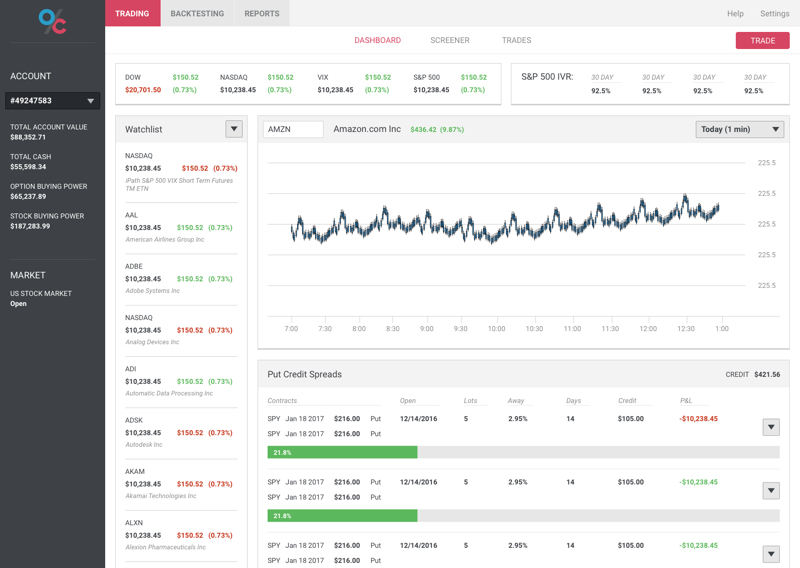
Bending Spoons rated Sell at $44.45 with a $36 target (-19%). Headline growth is 132%, but organic growth is 6% and interest consumes 77% of operating income.
Related To: Options Trading
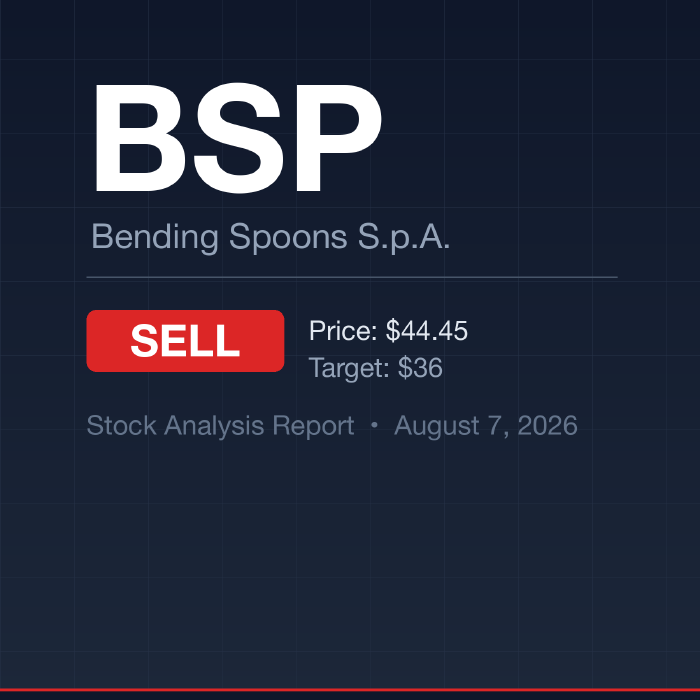
 A practical guide to rolling options—what it means, the three types of rolls, my rules for when to roll versus take the loss, and real trades with documented P&L.
 VIX backwardation inverts the term structure on just 7.7% of trading days. Across 17 years, buying the panic was a coin flip — but buying the relief won 88% of the time.
 CHWY rated Buy with $35 target (+52% upside). BC Partners’ $4.15B exit just cleared, smart money is in, and the business is a debt-free FCF compounder.
 Beyond Meat (BYND) rated Sell with a $0.40–$0.55 target (–53% to –66%). Five years of revenue decline, negative gross margins, and a one-time gain masking a $330M operating loss.
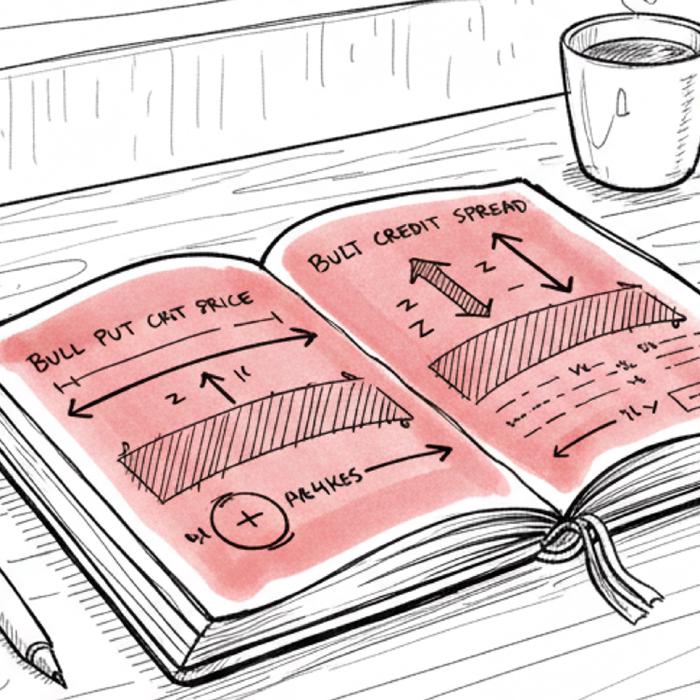 A rules-based approach to trading SPY put credit spreads with a 91%+ win rate. Entry rules, exit targets, position sizing, and the 2025 drawdown-to-recovery story with real numbers.
 A complete guide to selling covered calls for income, with real trade examples, strike selection rules, and how covered calls fit into the wheel strategy.
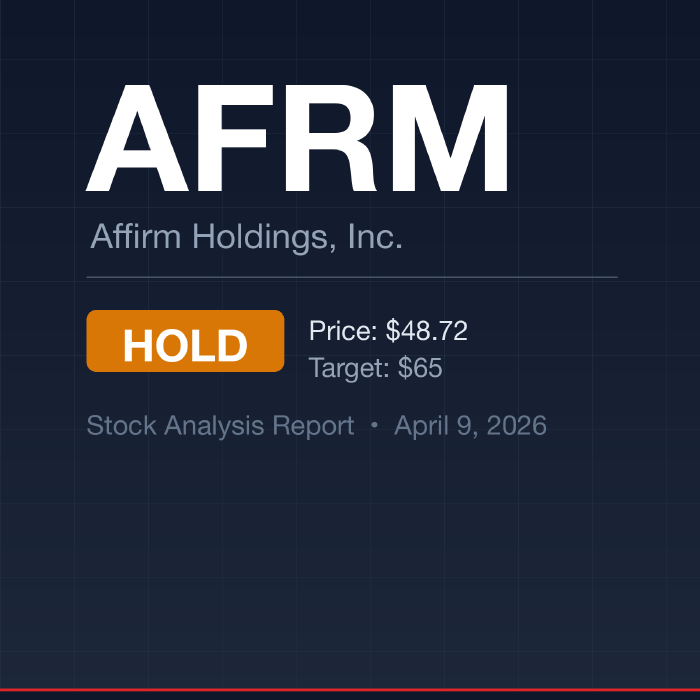 AFRM rated Hold with $65 target (+33%). First-ever GAAP profit, 30% revenue growth, but zero insider buys across 85 transactions. 8-week base forming.
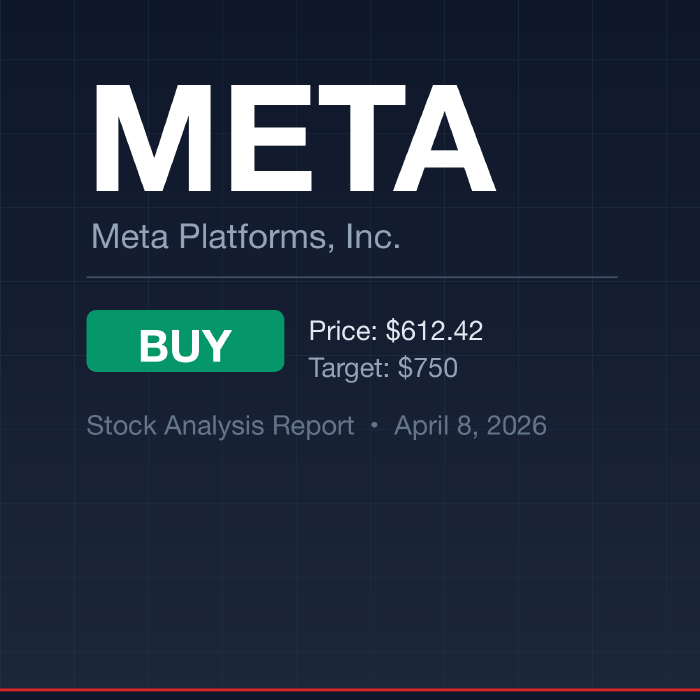 META rated Buy with $750 target (+22.5%). $201B revenue +22%, FoA 51.6% margin, $46B FCF, PEG 0.91. Bill Ackman buying. CFO sold $88M Feb.
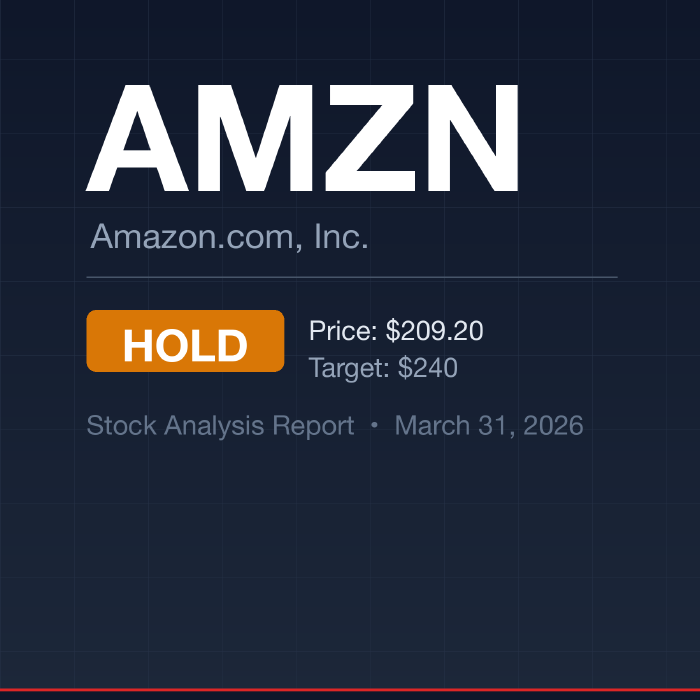 AMZN rated Hold with $240 target (+15%). $717B revenue growing 12%, AWS +20%, but $128B AI capex collapsed FCF 71%. Wait for Q1 earnings clarity.